Birds of America Double-elephant folio Editions
Viviparous Quadruped Imperial Folio Editions

Published in 1846, Pierre-Antoine Poiteau’s Pomologie Française is one of the finest fruit books ever created. The lusciosuly illustrated folio contains 420 brilliant illustrations of French fruit varietals issued in 4 volumes. With the aid of his friend and fellow artist Pierre Jean François Turpin, Poiteau captures the abundance of France’s pomology.
The prints were rendered through the process of stipple engraving so upon close inspection, the soft contours of the fruit are composed of minute hand engraved dots rather than continuous lines. Color was then hand-applied to the prints to bring them to life.
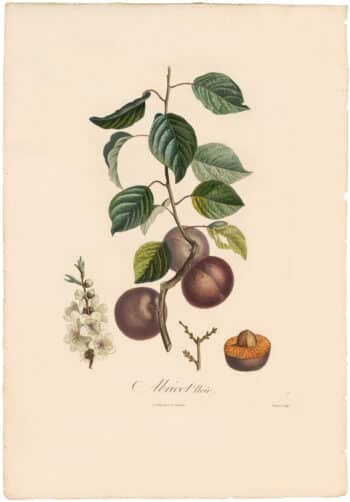
Pomologie Française – Antique Originals
Hand-applied stipple engraving; circa 1846
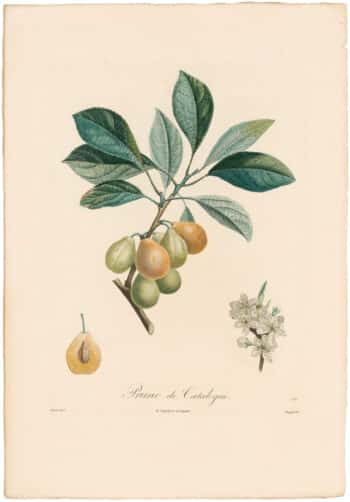
Pomologie Française – Antique Originals
Hand-applied stipple engraving; circa 1846
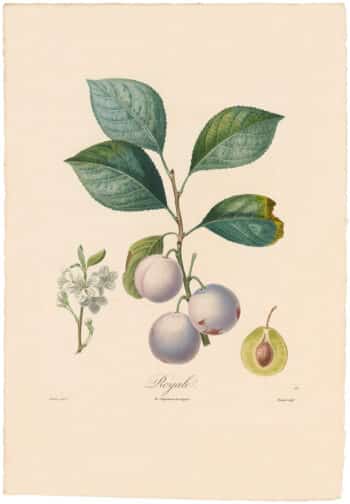
Pomologie Française – Antique Originals
Hand-applied stipple engraving; circa 1846
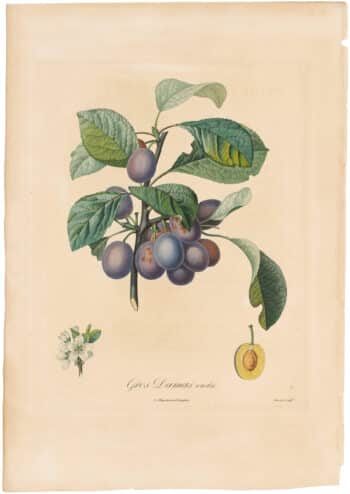
Pomologie Française – Antique Originals
Hand-applied stipple engraving; circa 1846
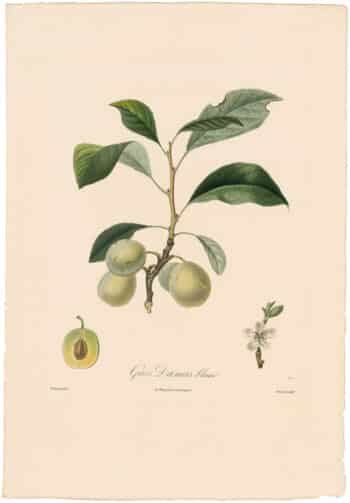
Pomologie Française – Antique Originals
Hand-applied stipple engraving; circa 1846
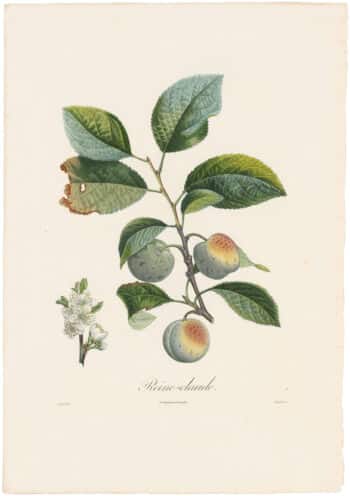
Pomologie Française – Antique Originals
Hand-applied stipple engraving; circa 1846
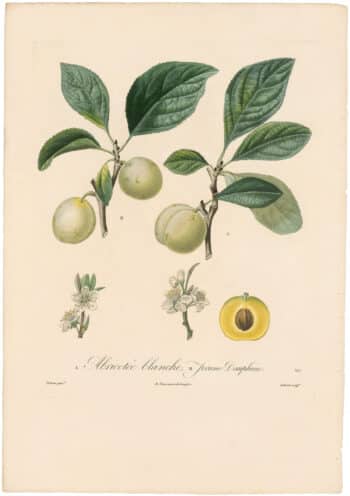
Pomologie Française – Antique Originals
Hand-applied stipple engraving; circa 1846
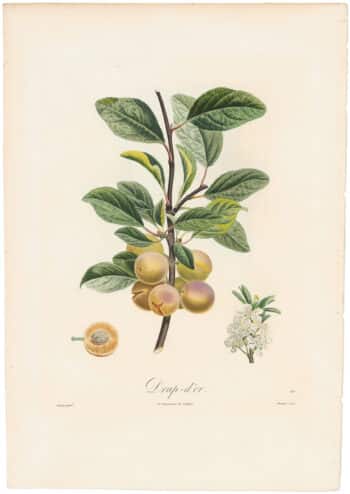
Pomologie Française – Antique Originals
Hand-applied stipple engraving; circa 1846
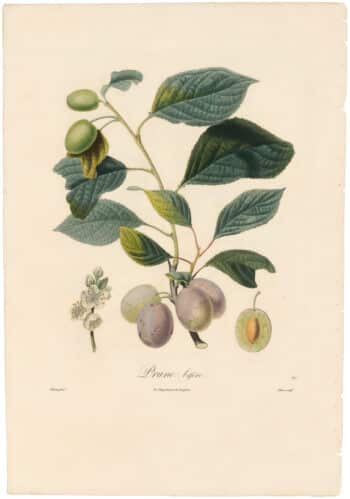
Pomologie Française – Antique Originals
Hand-applied stipple engraving; circa 1846
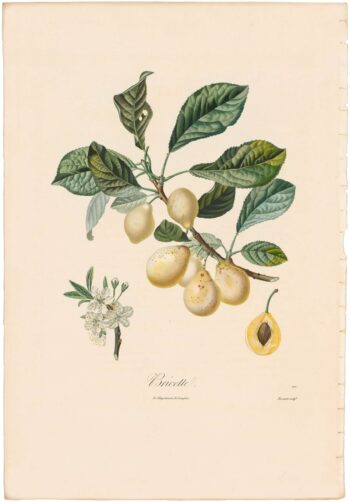
Pomologie Française – Antique Originals
Hand-applied stipple engraving; circa 1846
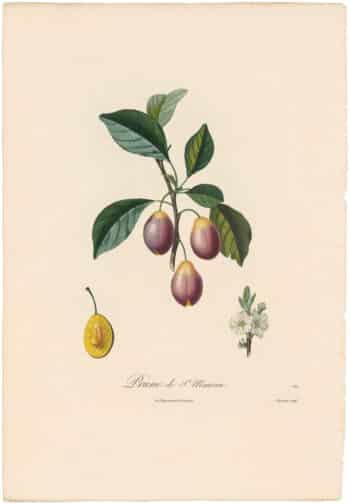
Pomologie Française – Antique Originals
Hand-applied stipple engraving; circa 1846
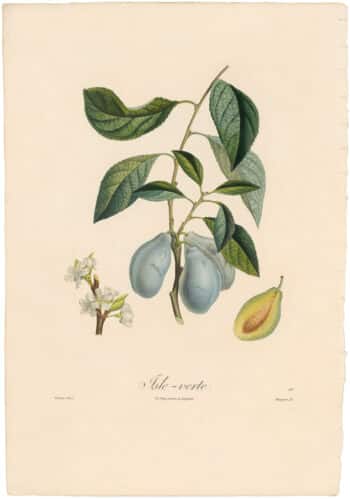
Pomologie Française – Antique Originals
Hand-applied stipple engraving; circa 1846
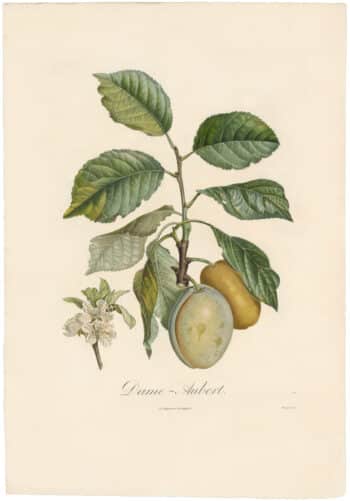
Pomologie Française – Antique Originals
Hand-applied stipple engraving; circa 1846
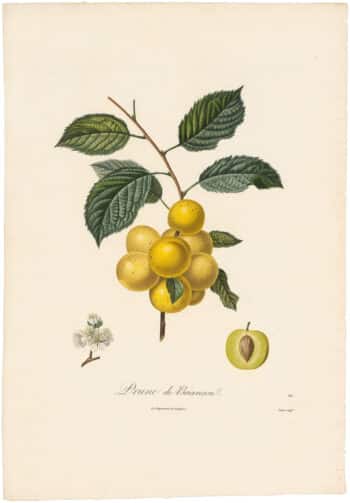
Pomologie Française – Antique Originals
Hand-applied stipple engraving; circa 1846
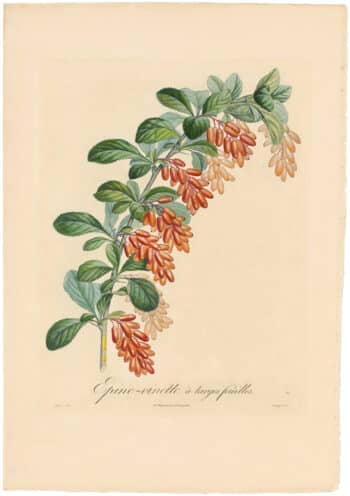
Pomologie Française – Antique Originals
Hand-applied stipple engraving; circa 1846
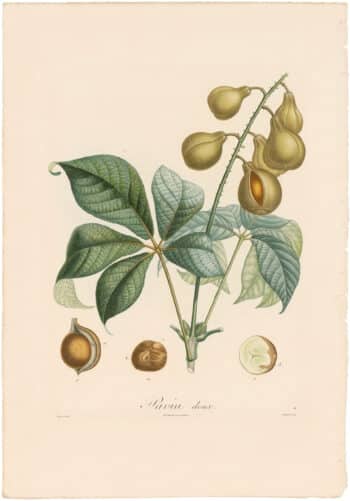
Pomologie Française – Antique Originals
Hand-applied stipple engraving; circa 1846