
Art Restoration
Paper Restoration
Joel Oppenheimer, Inc., a nationally renowned art facility, was founded in 1969 by the conservator for the Department of Prints and Drawings of the Art Institute of Chicago to fulfill a need for professional conservation services in the private sector. Please contact us with questions or concerns regarding restoration of your prints, watercolor paintings, original drawings, important documents, and anything else on paper.

Before Restoration
This Edward Curtis photogravure had severe reverse mat burn and foxing.

After Restoration
The mat burn and foxing were removed by aqueous methods resulting in an even sheet tone. The artwork was also thymolized and deacidified to prevent further damage from mold growth and acid.
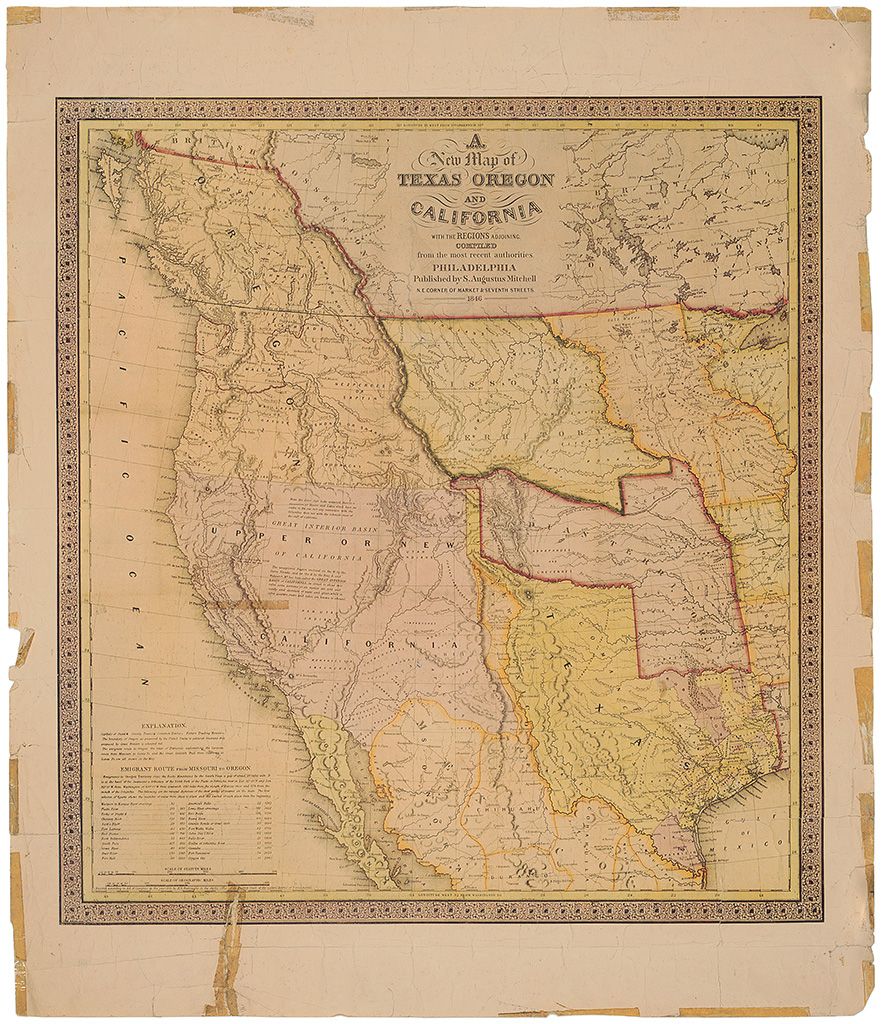
Before Restoration
The tears of this hand-colored antique map had been improperly backed with pressure-sensitive tape. The tape residue has stained the paper over time, leaving the paper embrittled and yellowed.
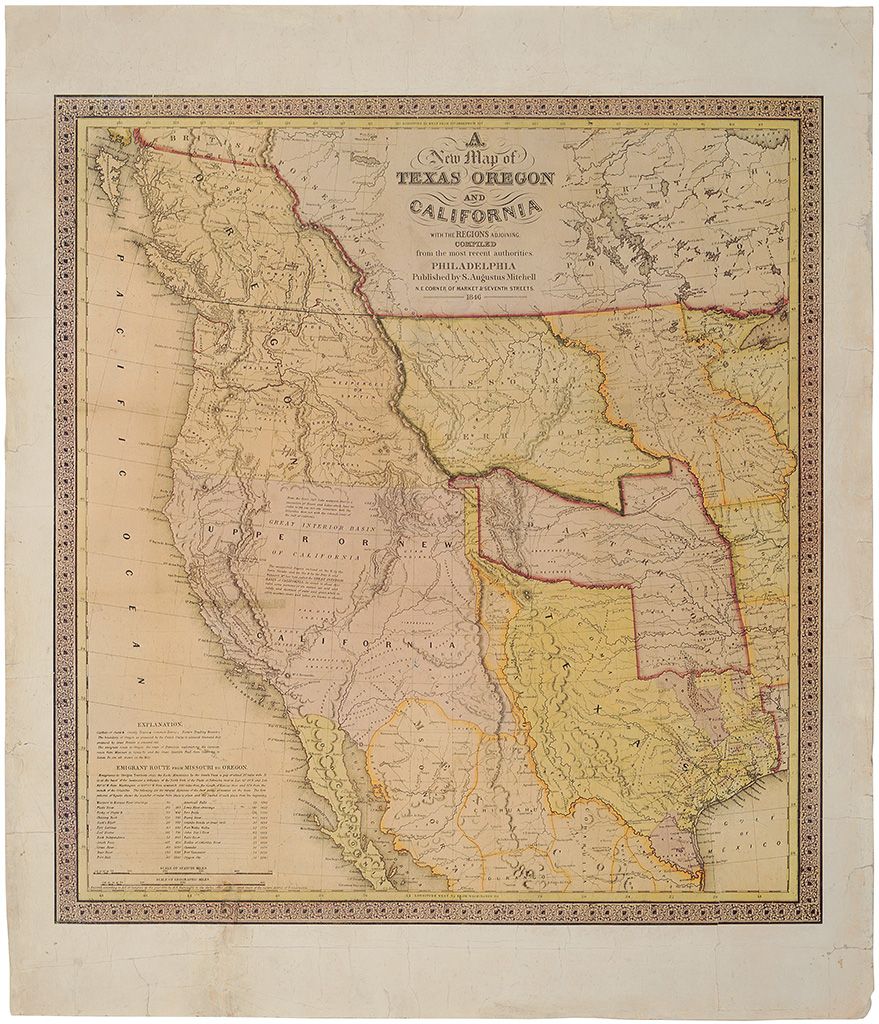
After Restoration
After carefully removing the tape and adhesive residue, the staining was cleaned and the tears were backed with mulberry tissue. The voids in the paper were fiber filled and the darkened sheet was cleaned with aqueous methods.
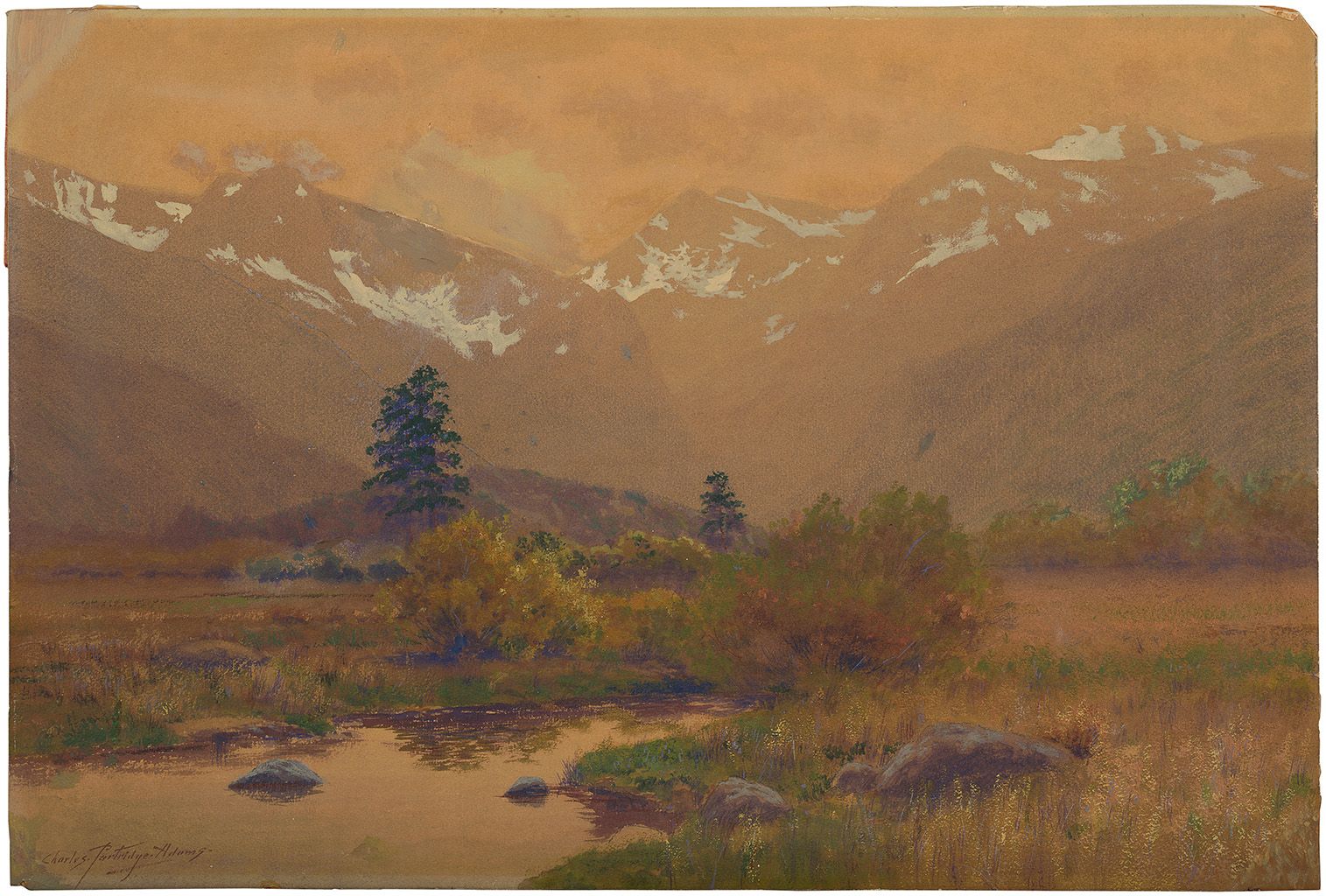
Before Restoration
This 19th century watercolor was mounted to a wood pulp board that became acidic over time causing the artwork to darken.

After Restoration
After dry peel methods were used to remove the acidic board this watercolor was mounted to, the adhesive residue was removed and the sheet was locally cleaned using aqueous methods.
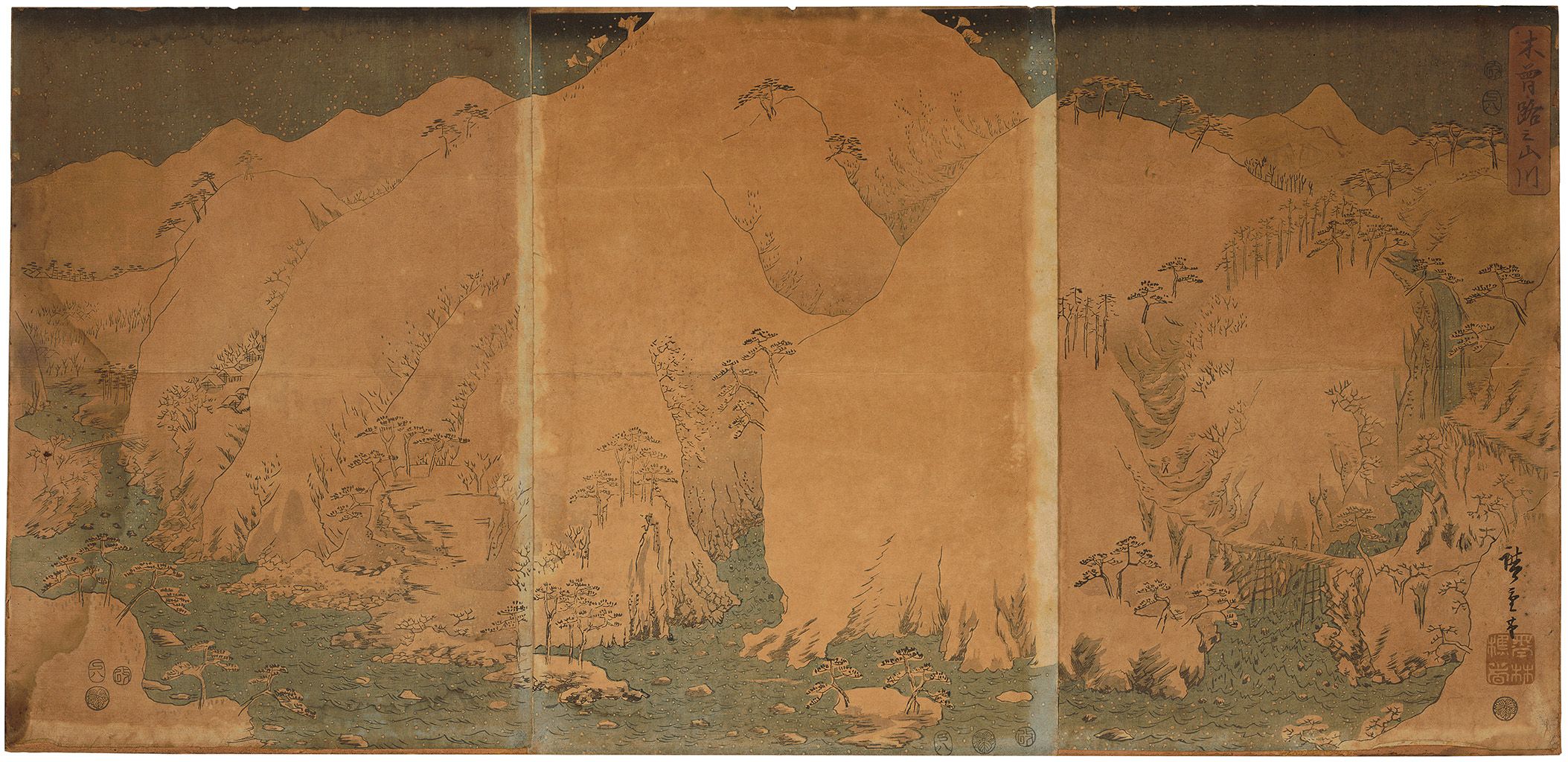
Before Restoration
Exposure to acidic materials had severely darkened this Hiroshige color wood block print triptych.

After Restoration
Before locally cleaning with aqueous methods, the three sections of the woodblock print were disassembled and the adhesives were removed. Once the cleaning was complete, the parts were then reassembled with archival adhesives and deacidified to chemically stabilize the sheets.
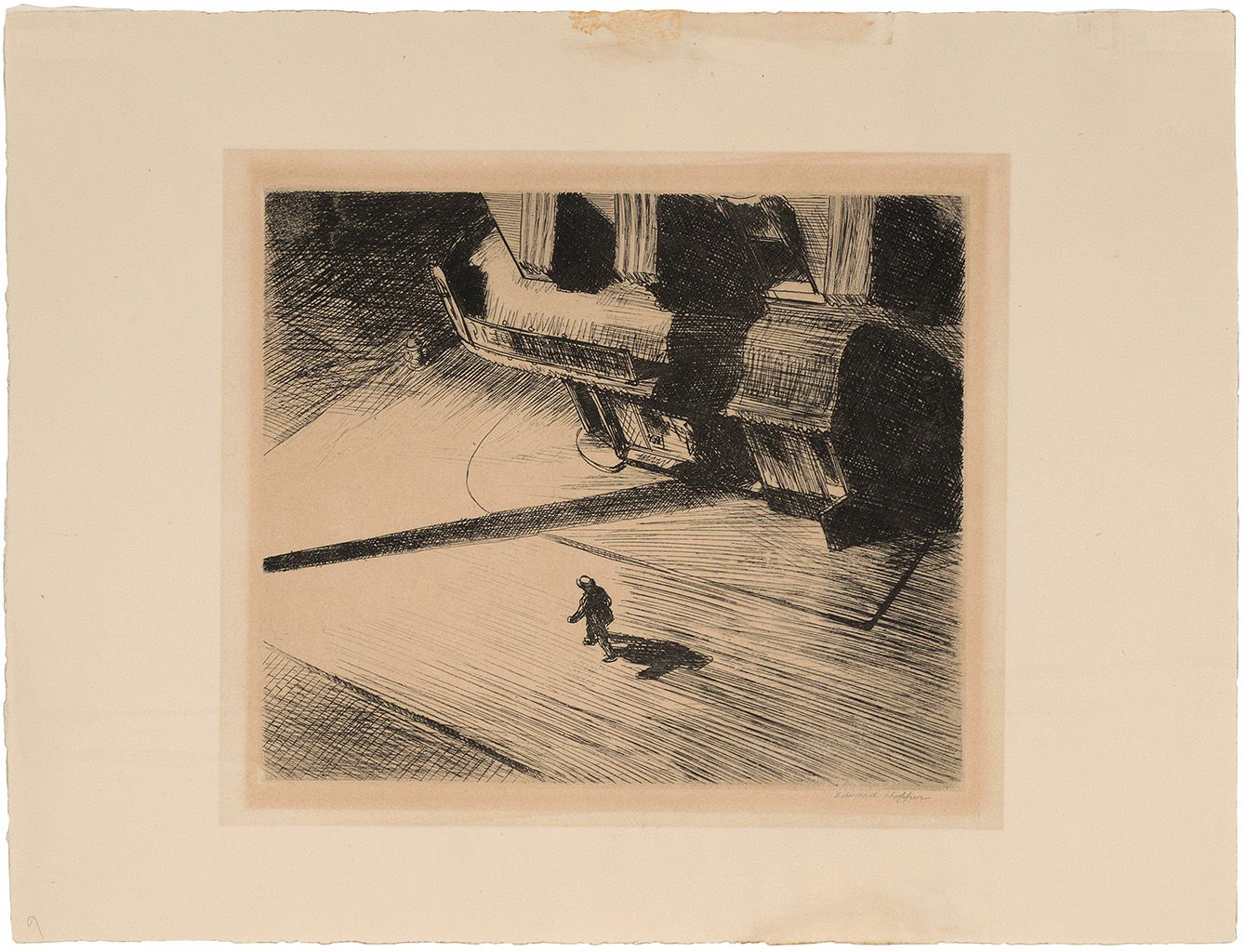
Before Restoration
The reverse mat burn on this Edward Hopper etching is a common condition issue for framed prints.
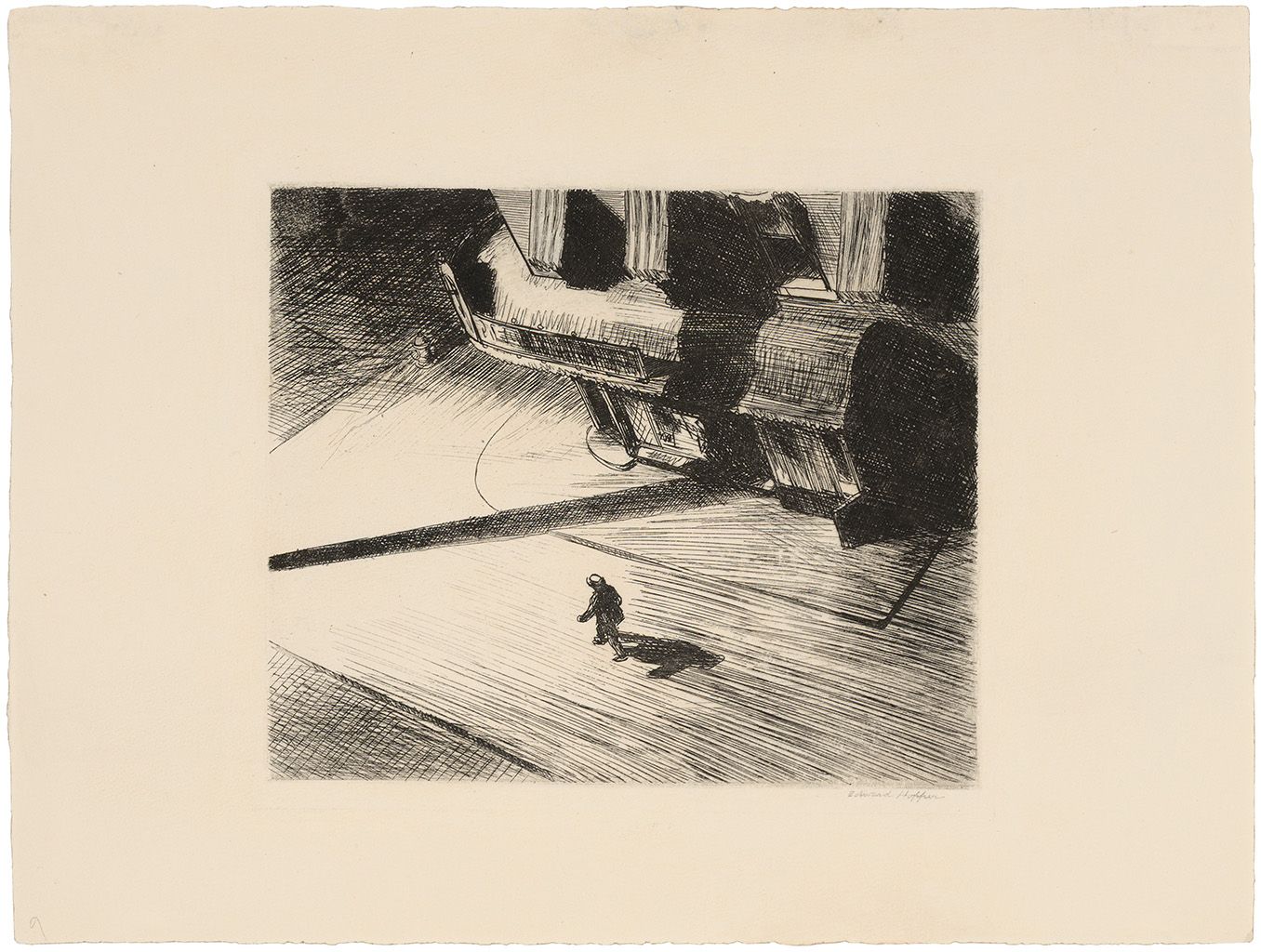
After Restoration
An even sheet tone was achieved by cleaning the print with aqueous methods. The sheet was then deacidified to chemically stabilize the paper.
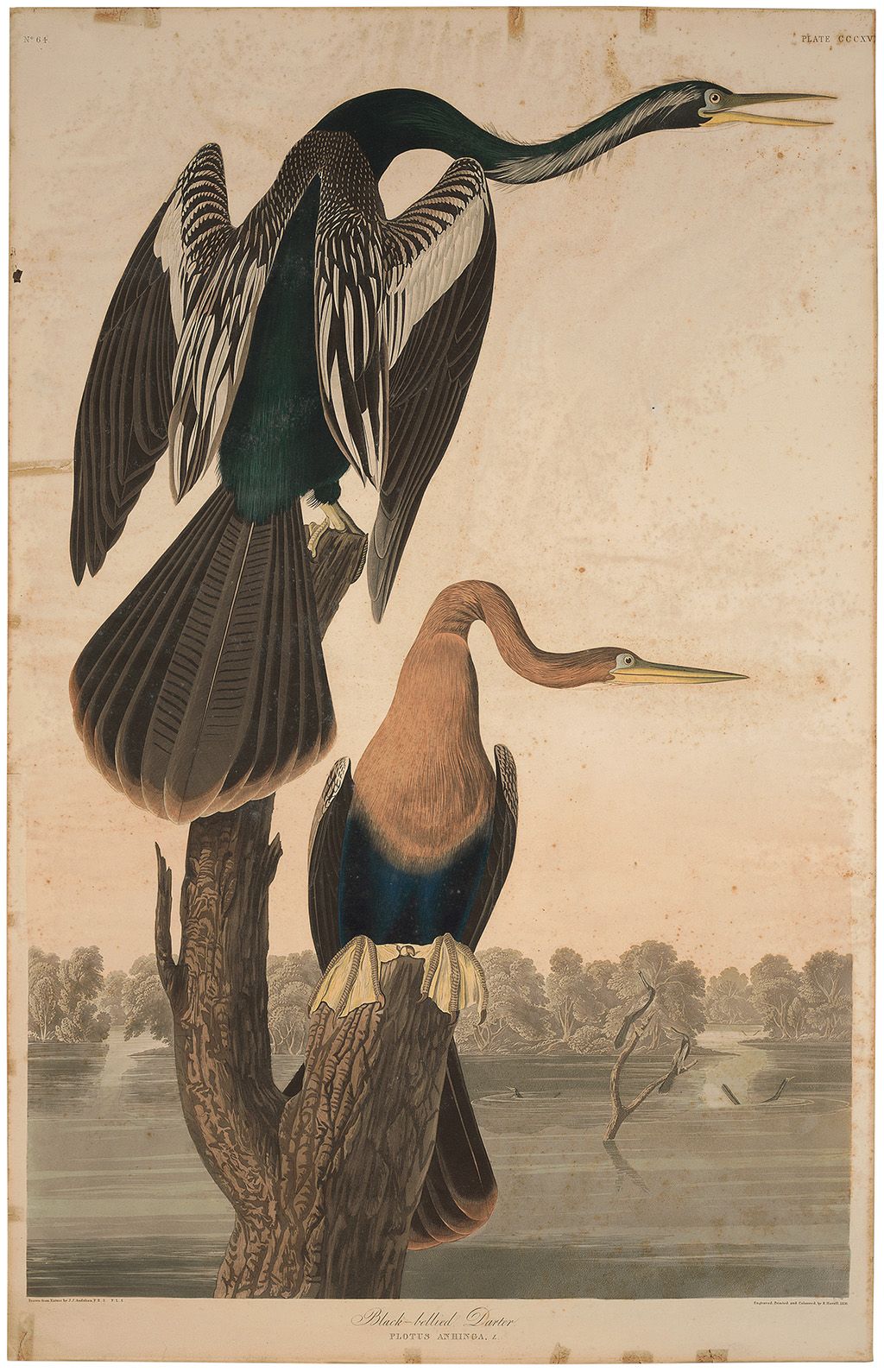
Before Restoration
This Havell Edition Audubon hand-colored aquatint engraving was brought back to life after removing the improper repairs to the tears.
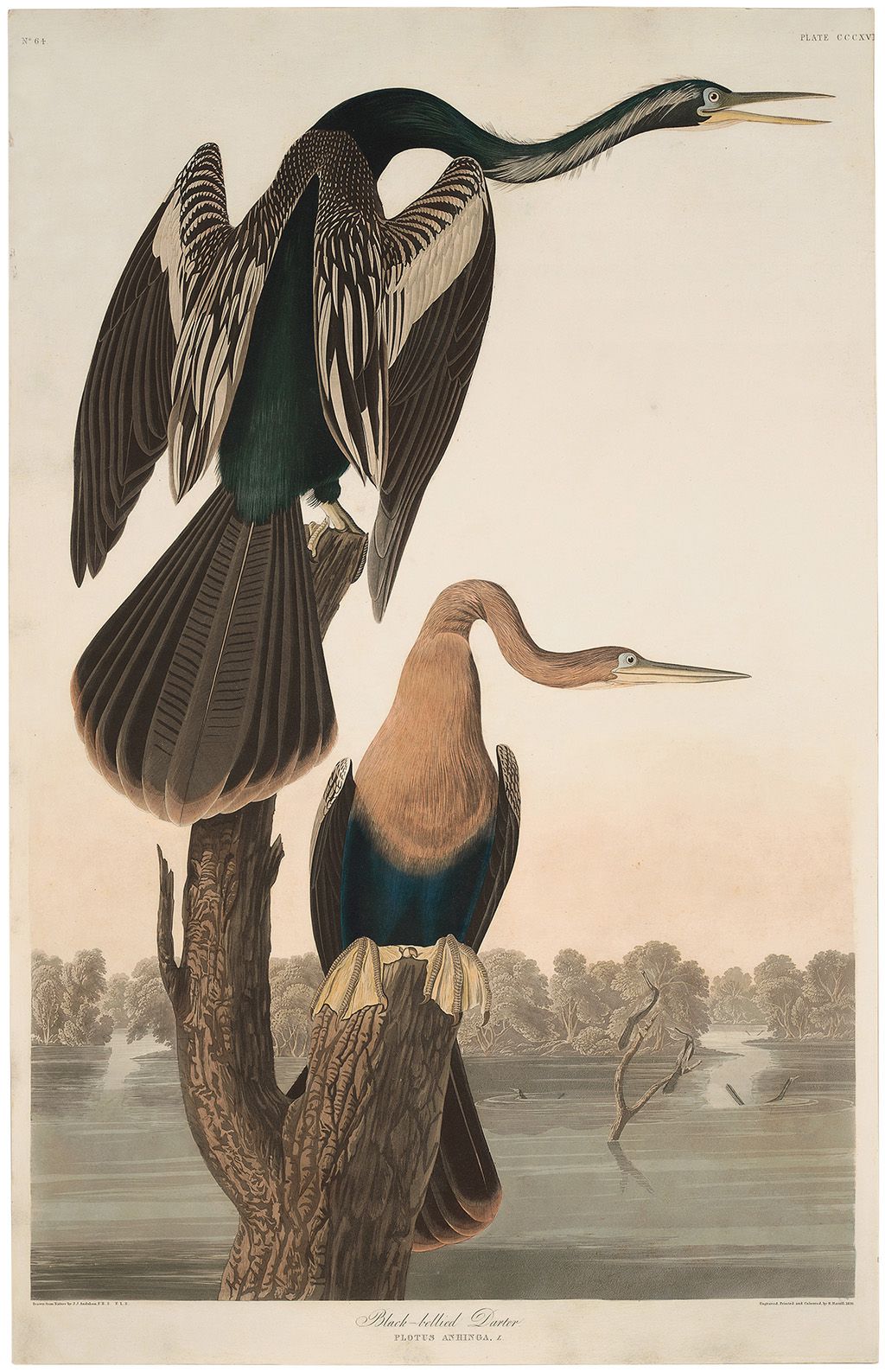
After Restoration
The adhesive residue staining caused by the pressure-sensitive tapes, foxing, and darkening was removed by aqueous methods. The tears were repaired and the missing fiber was replaced.
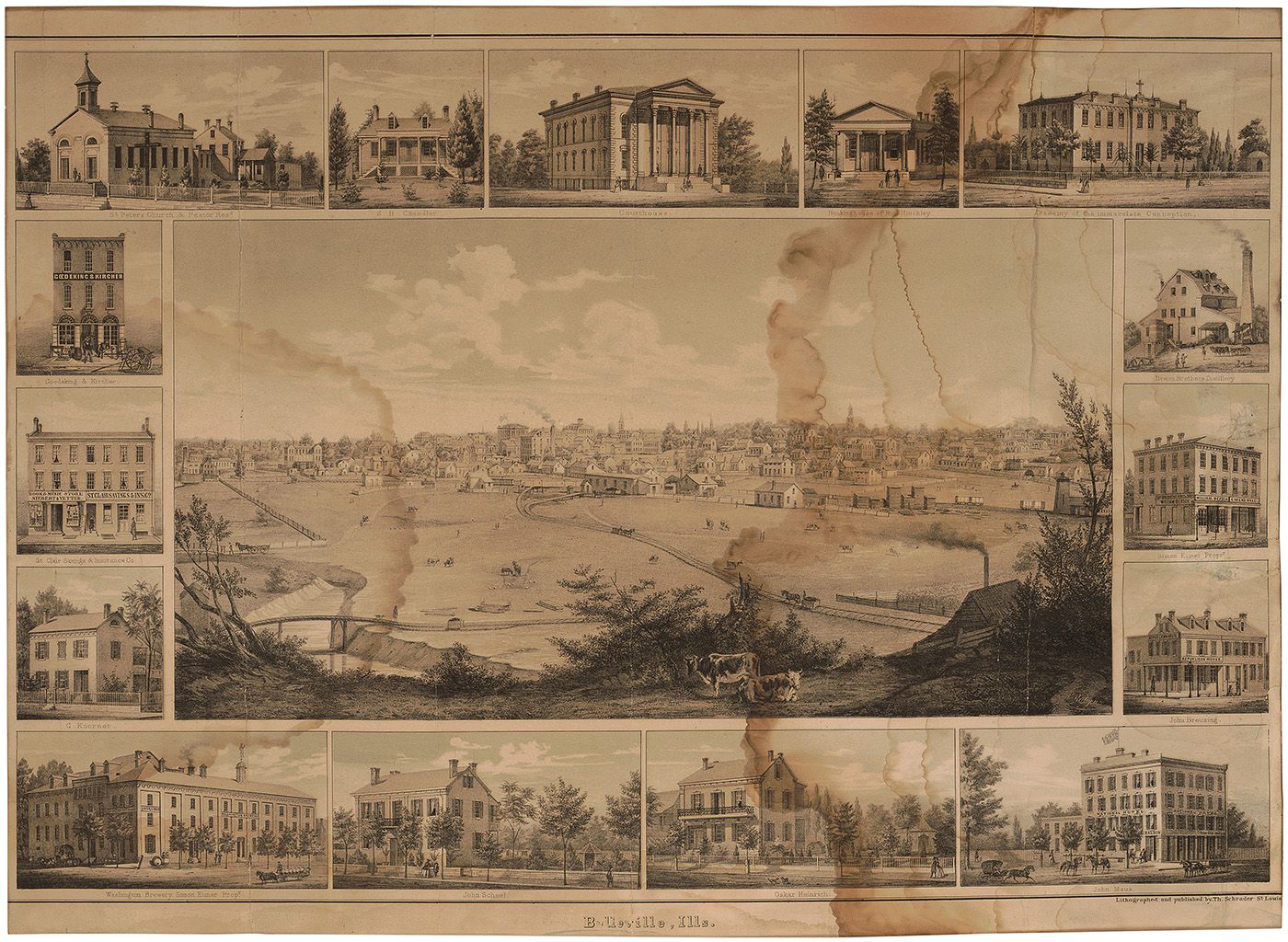
Before Restoration
The large tide marks and darkening on this color lithograph made the print unpresentable.
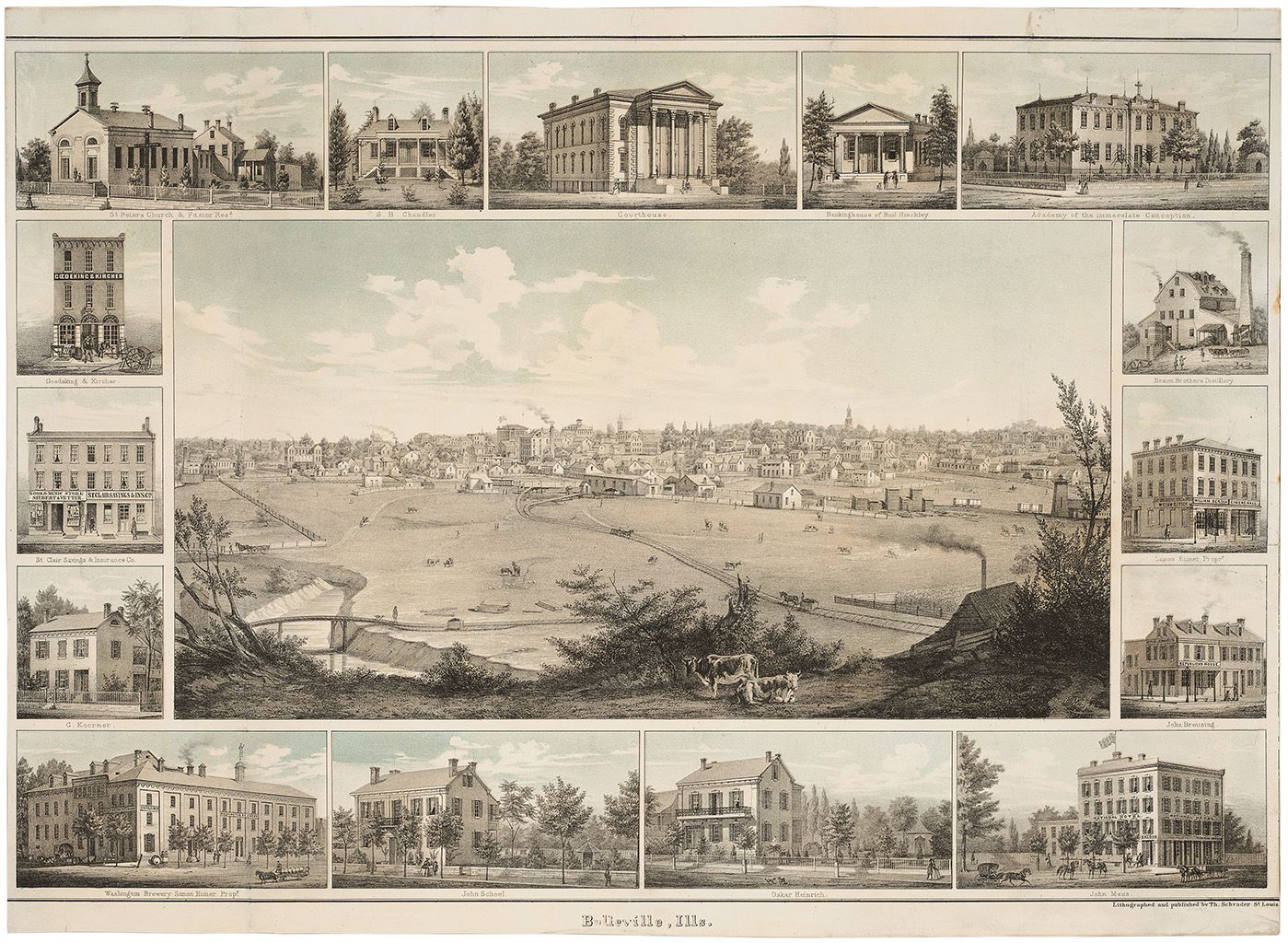
After Restoration
After cleaning this severely damaged color lithograph by aqueous methods the subtle color was visible.
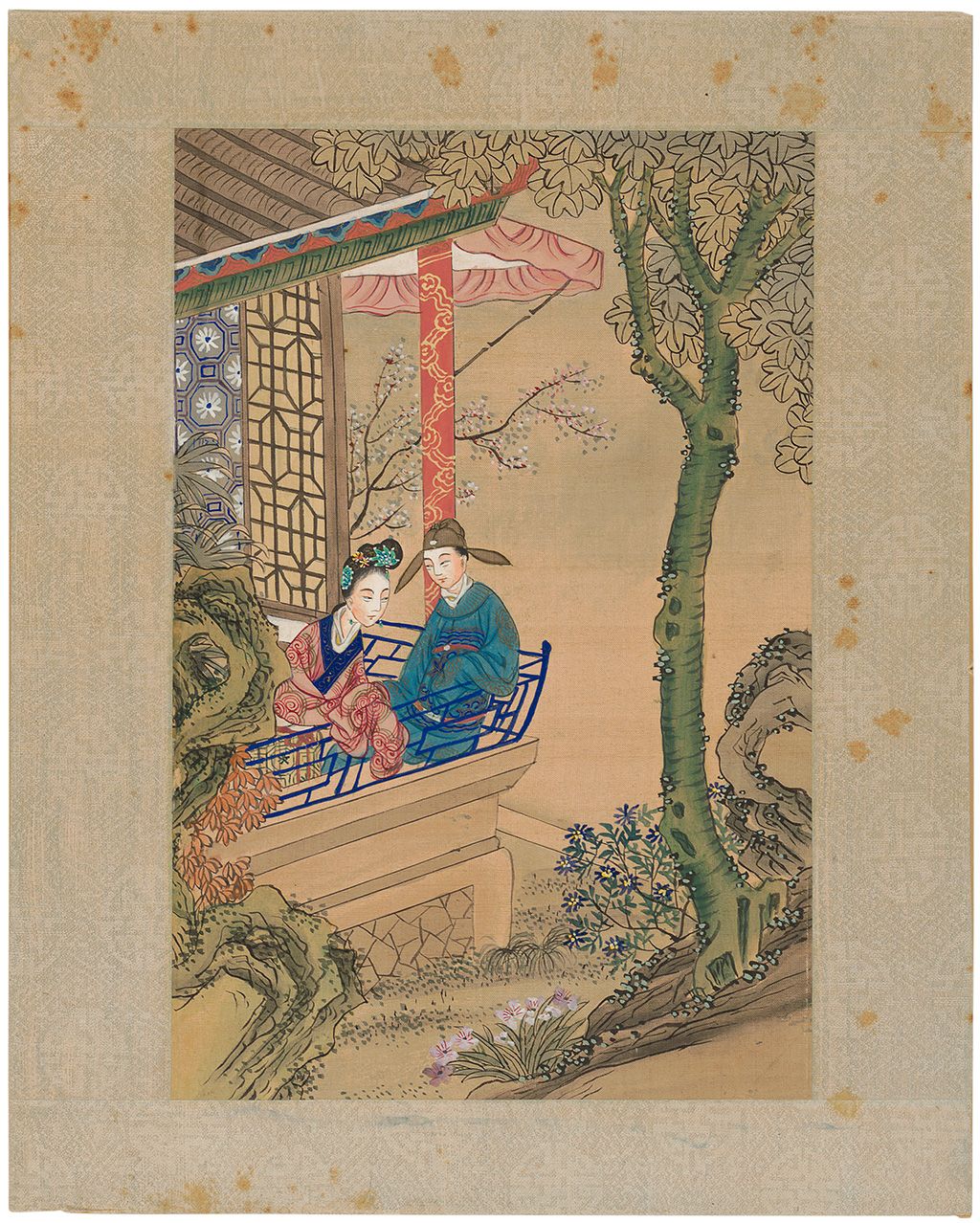
Before Restoration
This watercolor with silk surrounding it has large foxing spots on the silk.
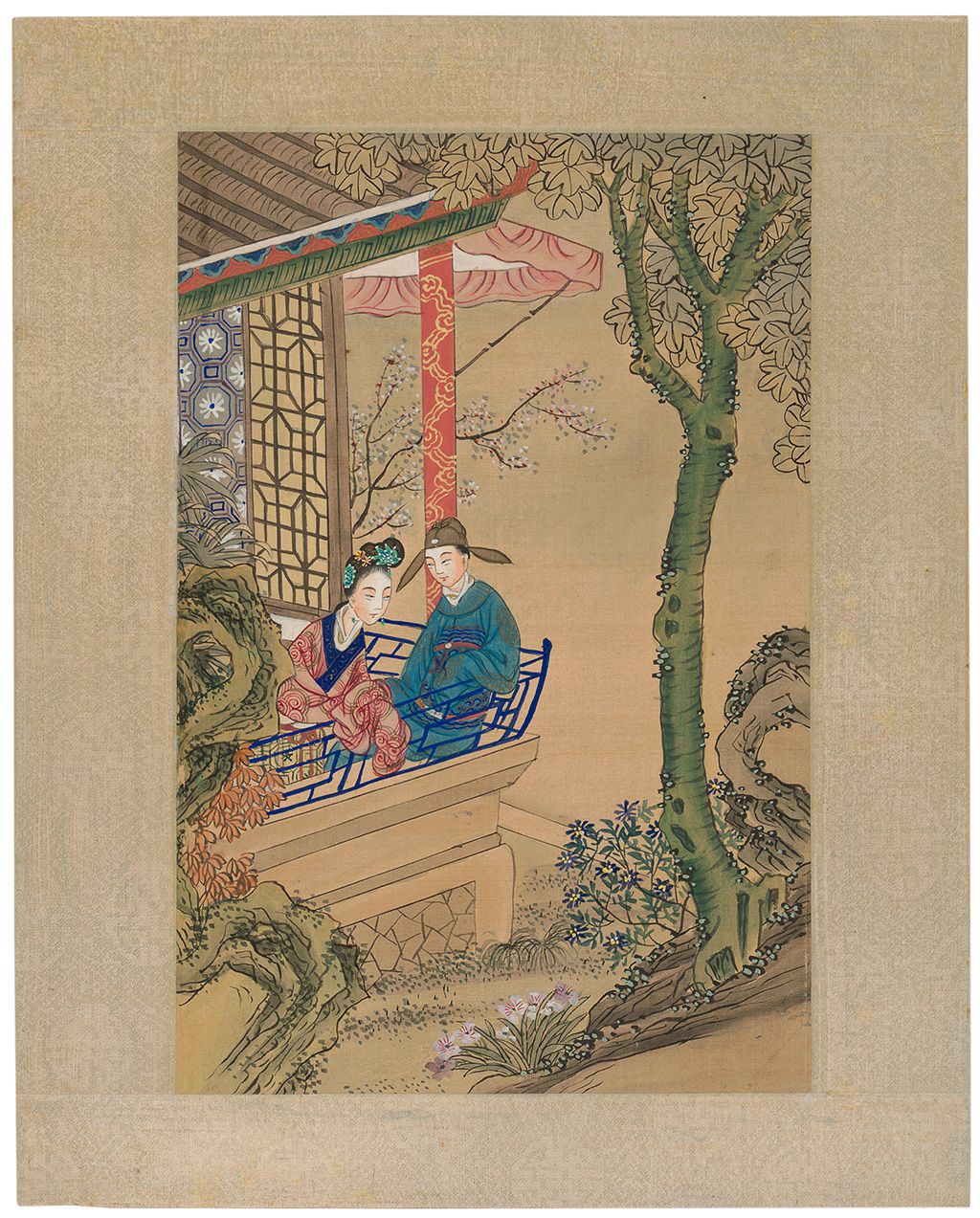
After Restoration
The foxing stains on the silk were cleaned locally using aqueous methods.
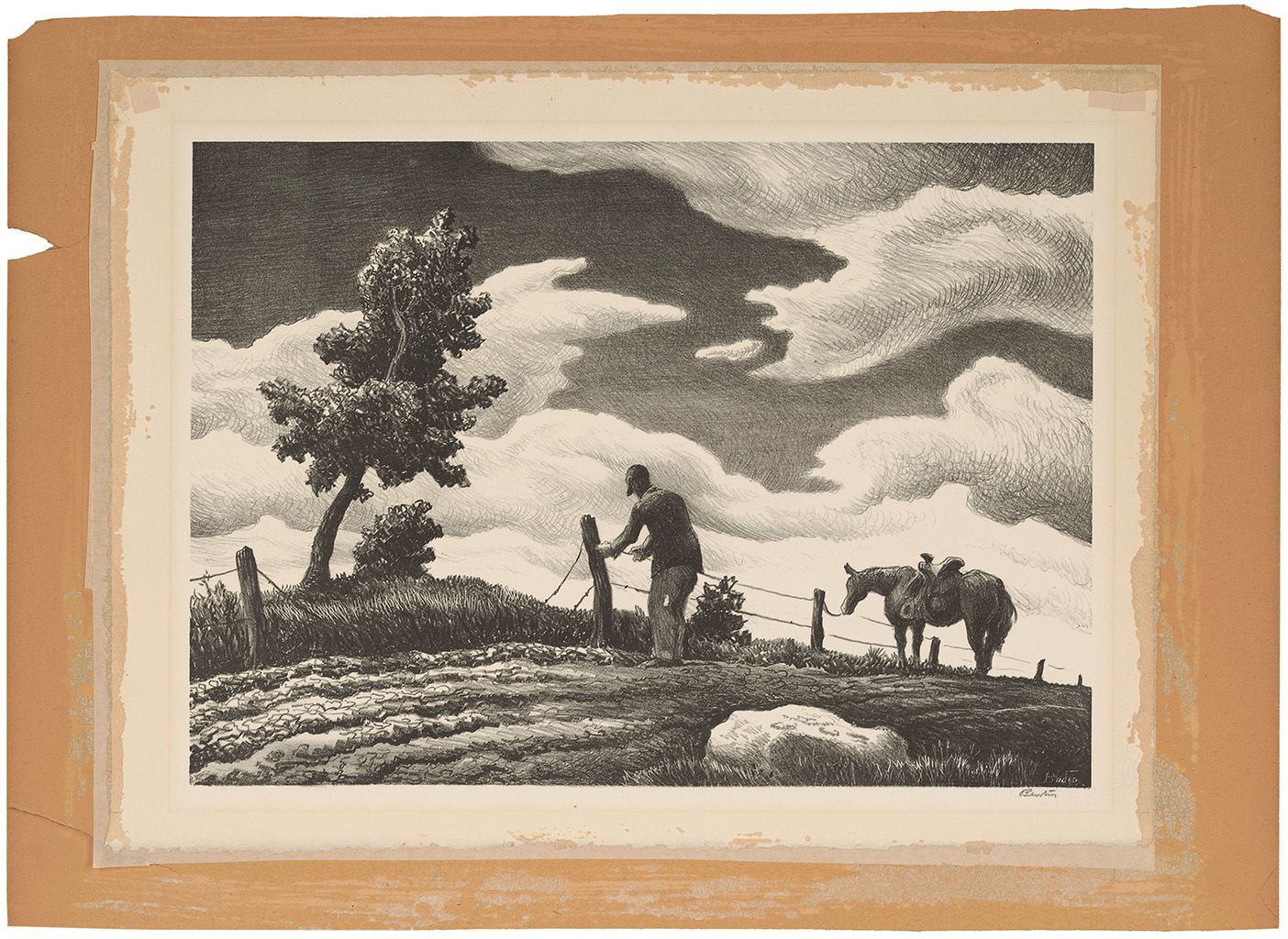
Before Restoration
This Thomas Hart Benton lithograph was glued to an acidic board with a facemat glued to the front of the print causing extensive adhesive residue staining on the margins.
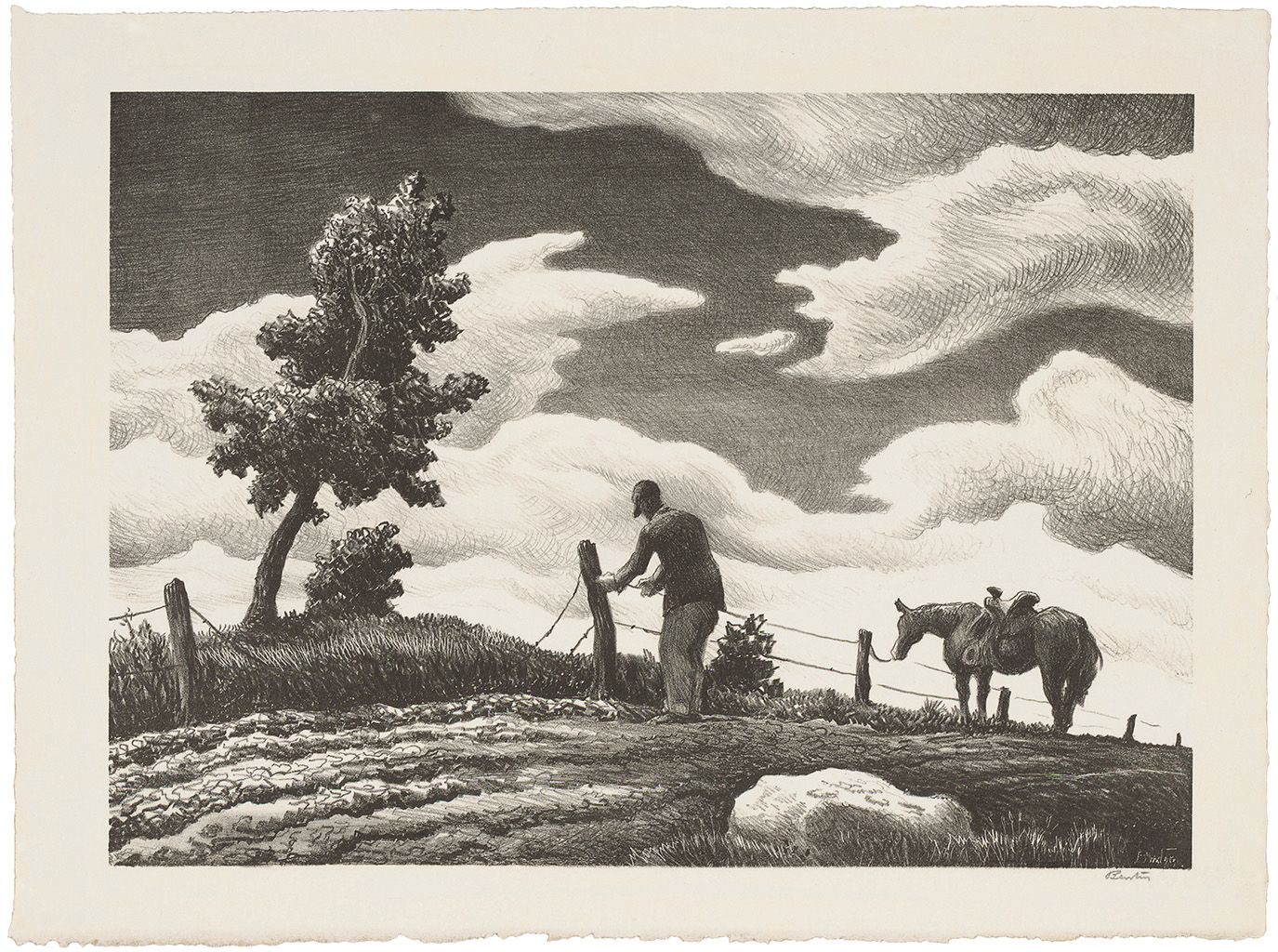
After Restoration
After removing the print from the board with dry peel methods, the staining was cleaned with aqueous methods.
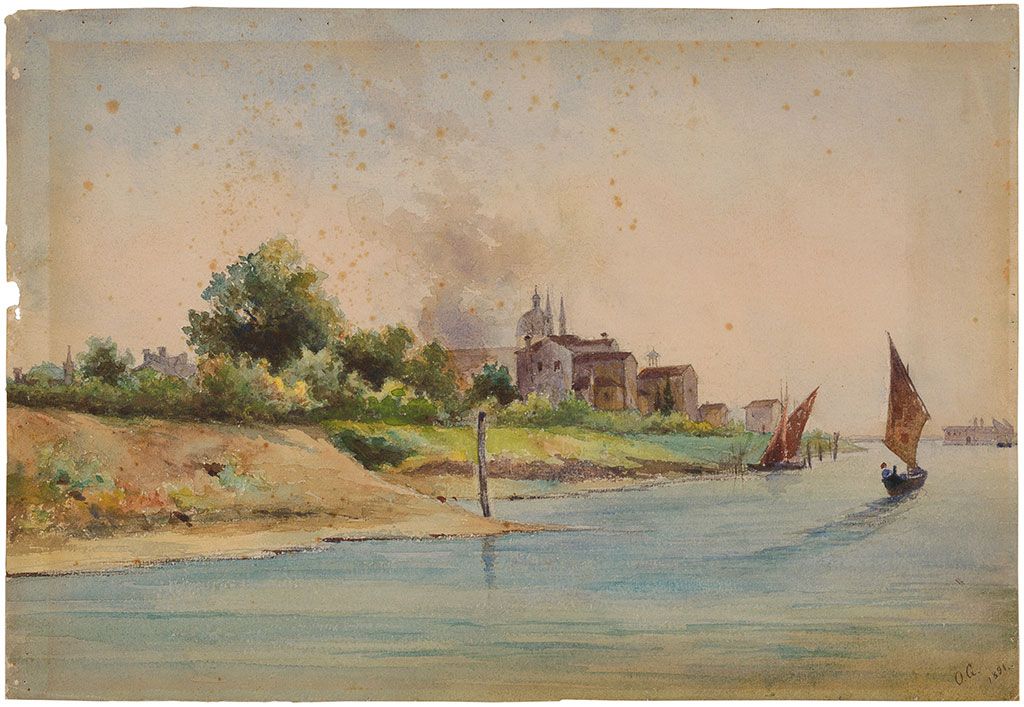
Before Restoration
Cleaning foxing spots in a watercolor painting must be done extremely carefully because of the solubility of the watercolor pigment.
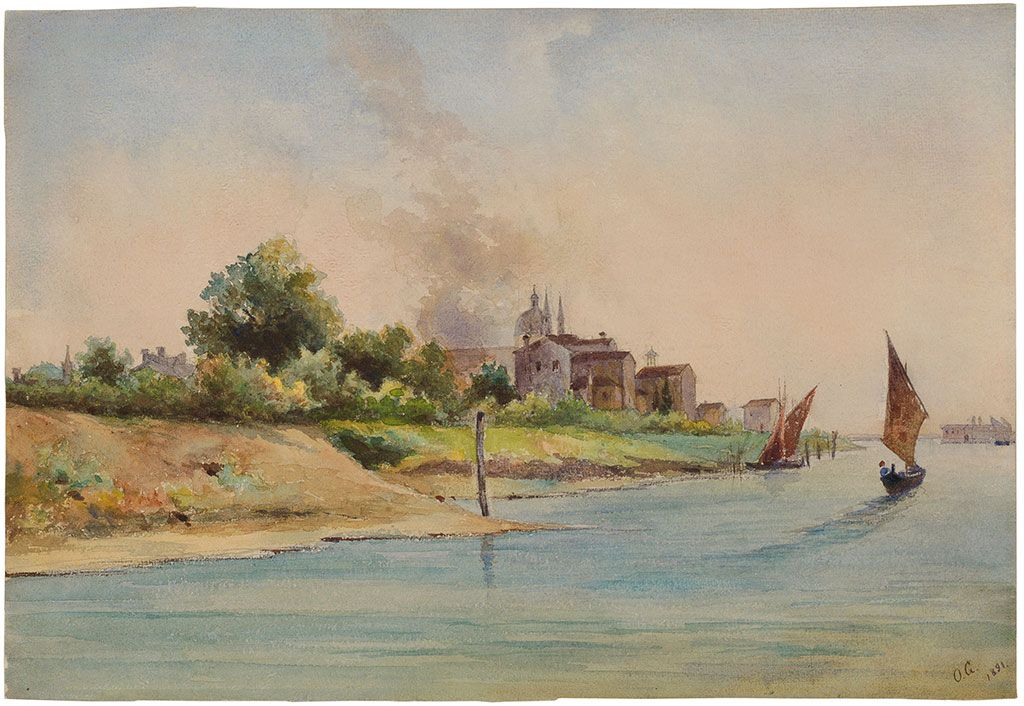
After Restoration
While some staining can be locally cleaned, some can not and will instead be cosmetically concealed. The voids were also filled with fiber and the pigment losses were replaced.
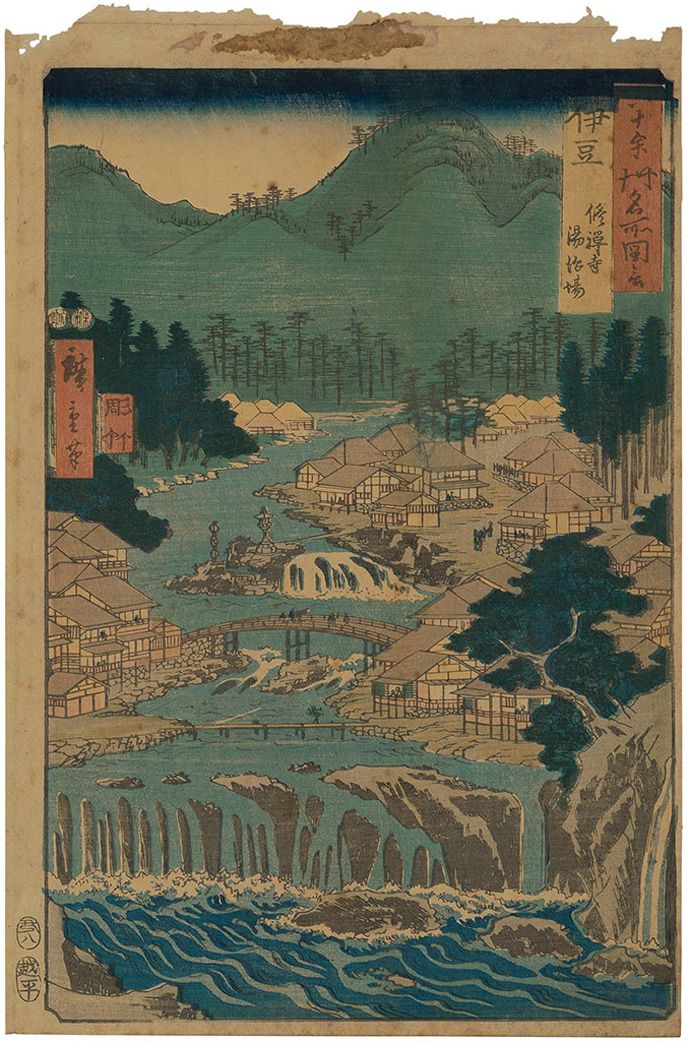
Before Restoration
This Japanese woodblock print was improperly removed from the mount causing damage to the extremely this paper.
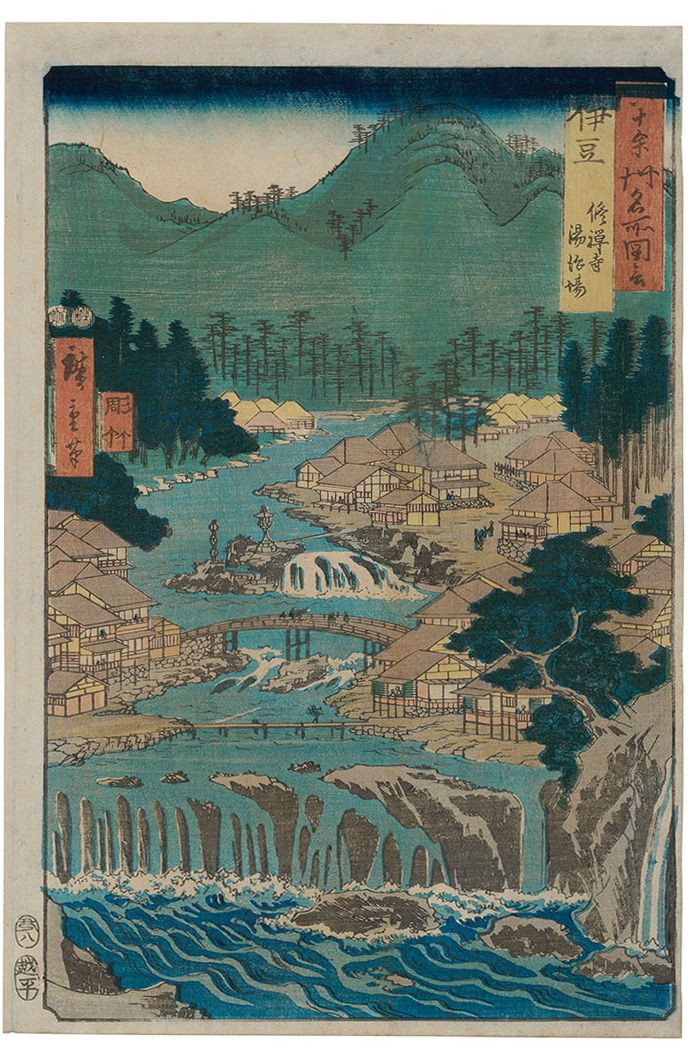
After Restoration
The adhesive residue on the front of the print was removed, before replacing the paper fibers. The sheet was also locally cleaned by aqueous methods after testing each pigment for solubility in water.
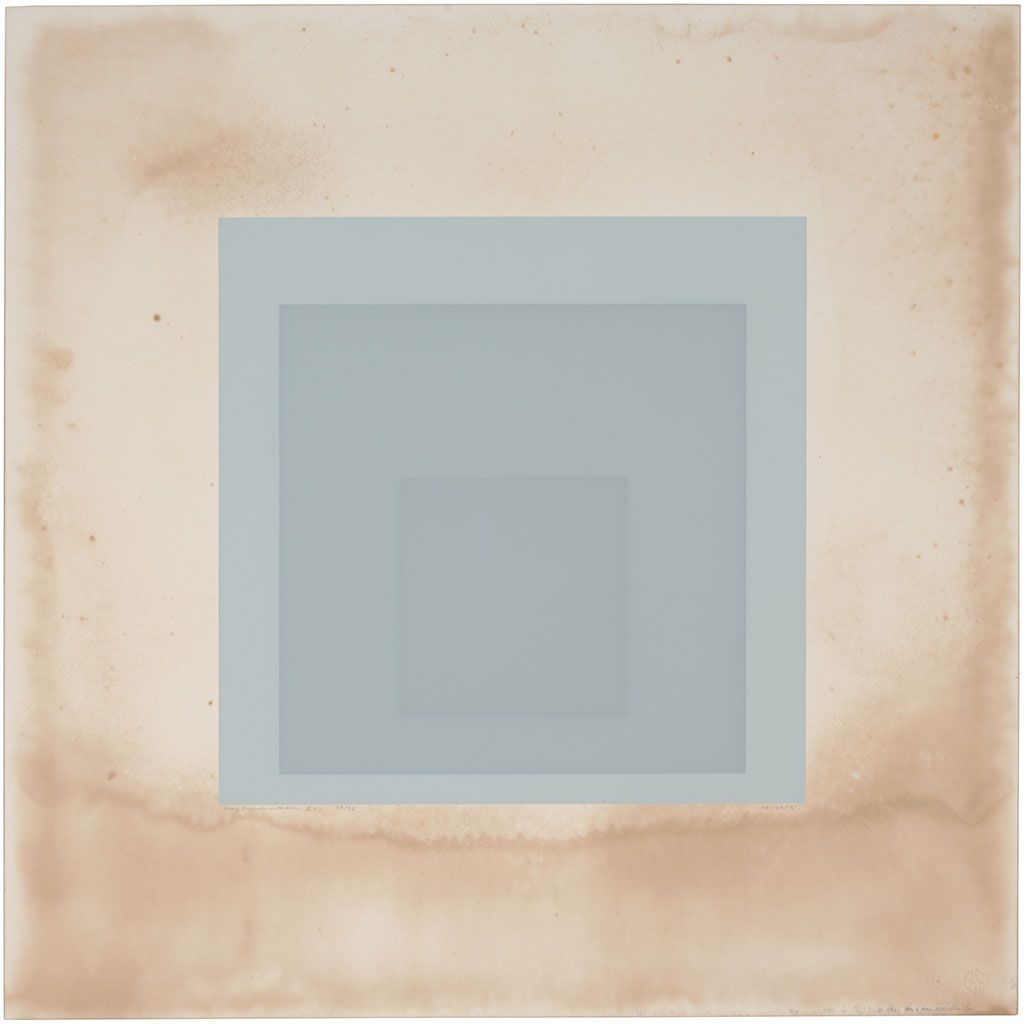
Before Restoration
The matte surface of this Albers serigraph was carefully minded during restoration.
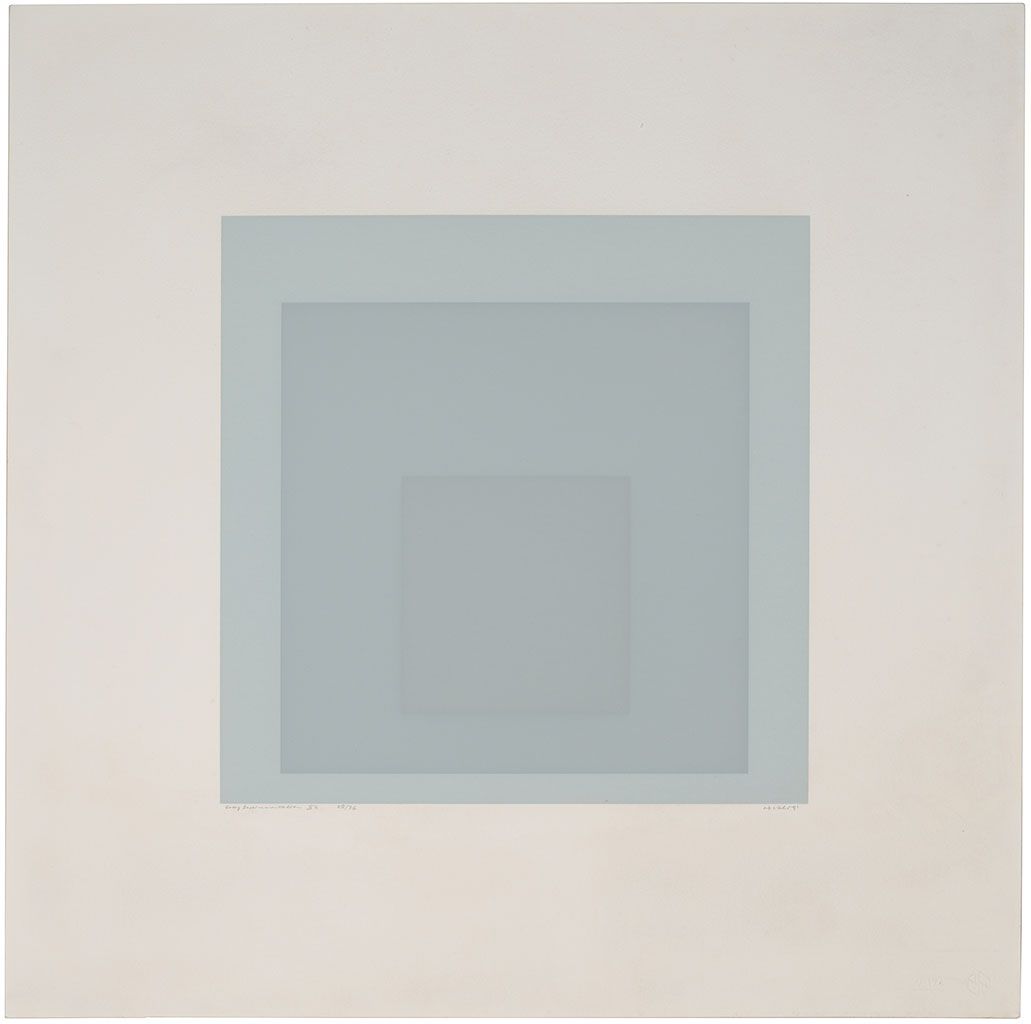
After Restoration
The large tide marks and darkening were cleaned with aqueous methods resulting in a uniform sheet tone.
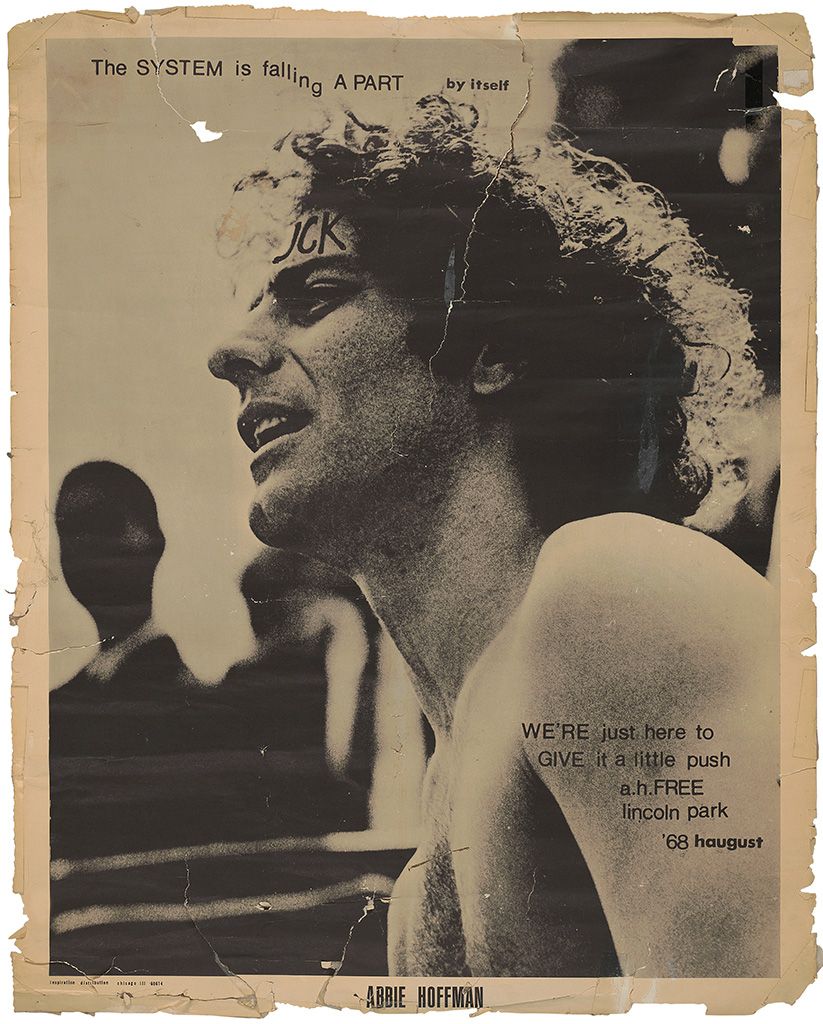
Before Restoration
This off-set lithograph poster became brittle due to the acidic nature of the paper causing severe tears and voids that were incorrectly stabilized with pressure-sensitive tape.
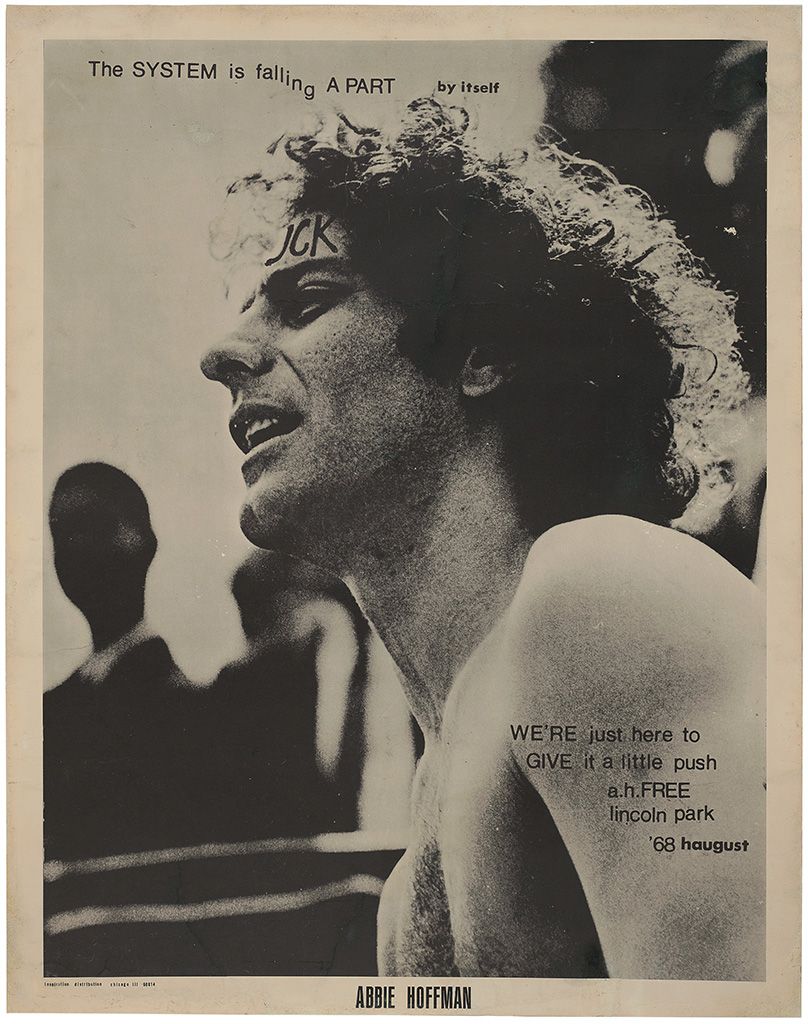
After Restoration
After removing the tape and cleaning the sheet, the poster was backed with mulberry tissue. Any fiber losses were filled and missing pigment was replaced.
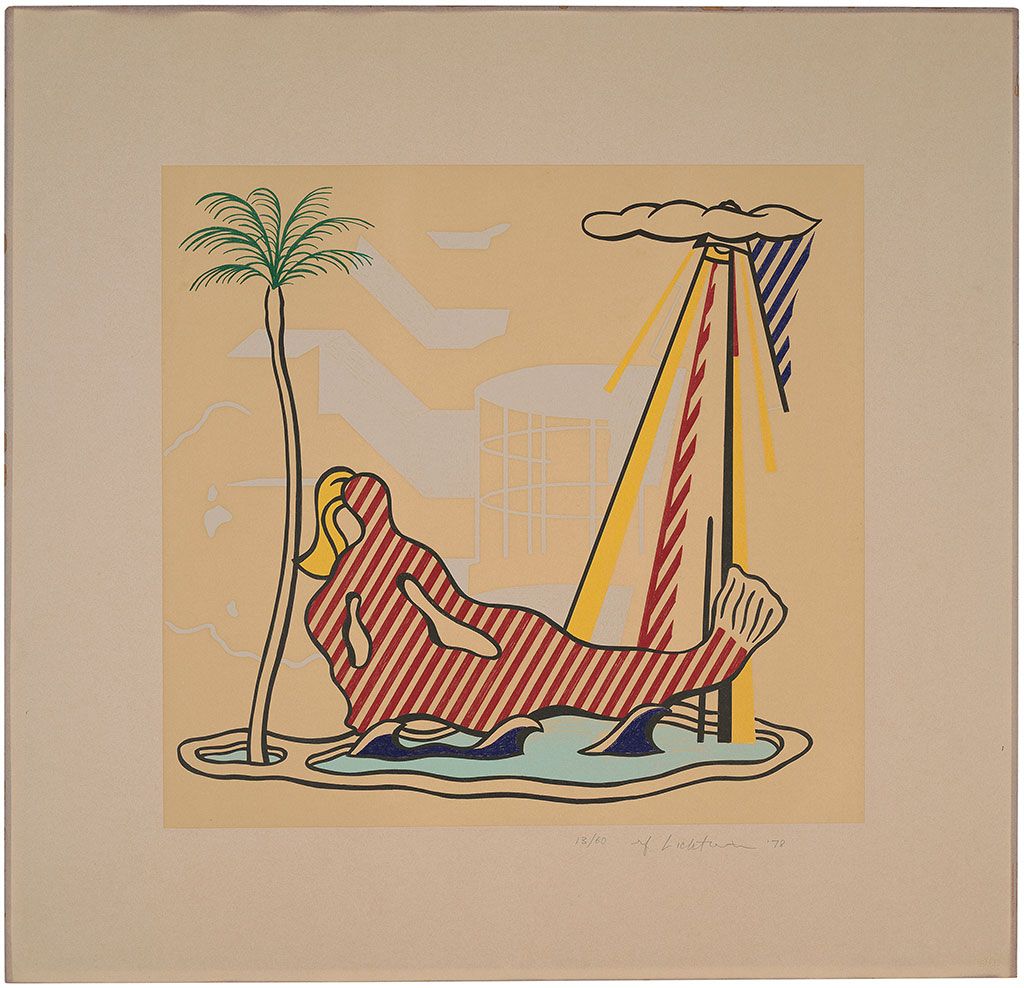
Before Restoration
This Lichtenstein color lithograph was severely darkened due to long-term exposure to cardboard and other improper framing methods.
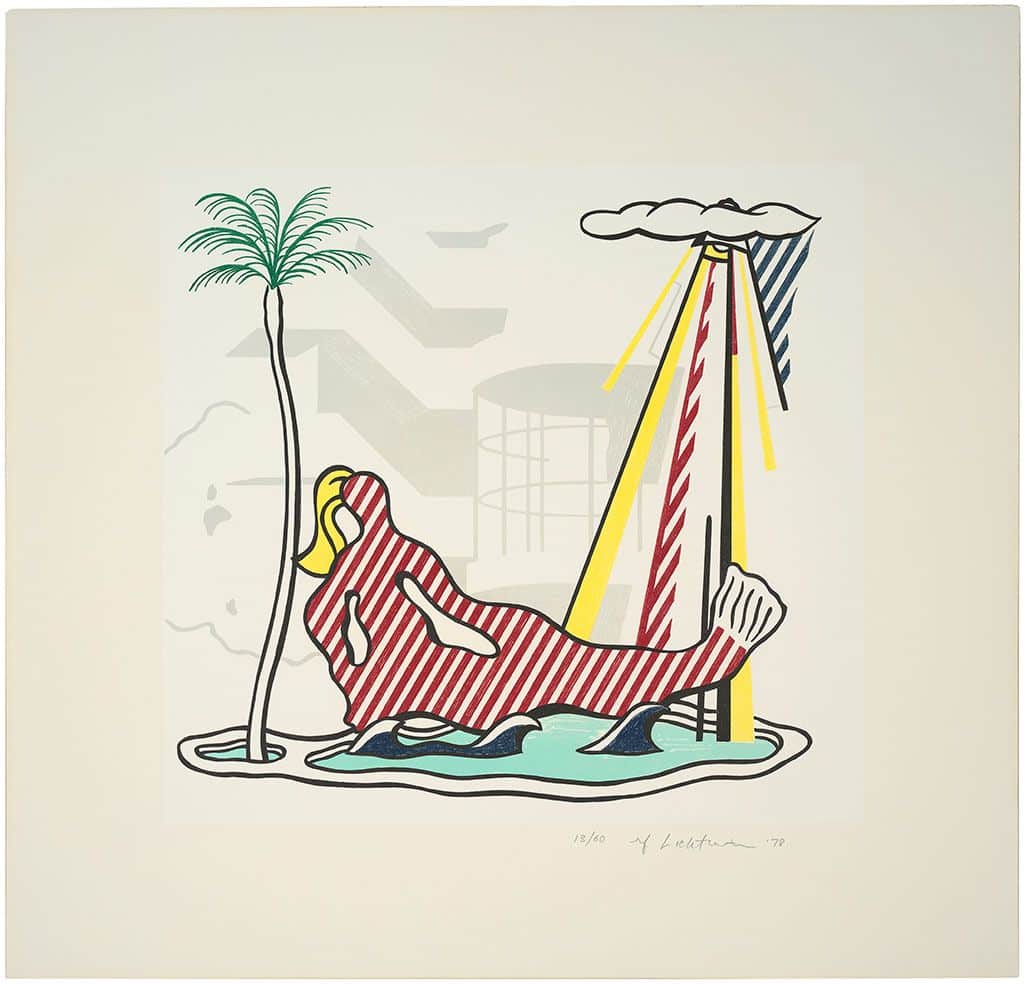
After Restoration
After cleaning the lithograph using aqueous methods, the true colors came to life, and the original sheet tone of the paper was restored. The print was also deacidified to neutralize the acidic paper.
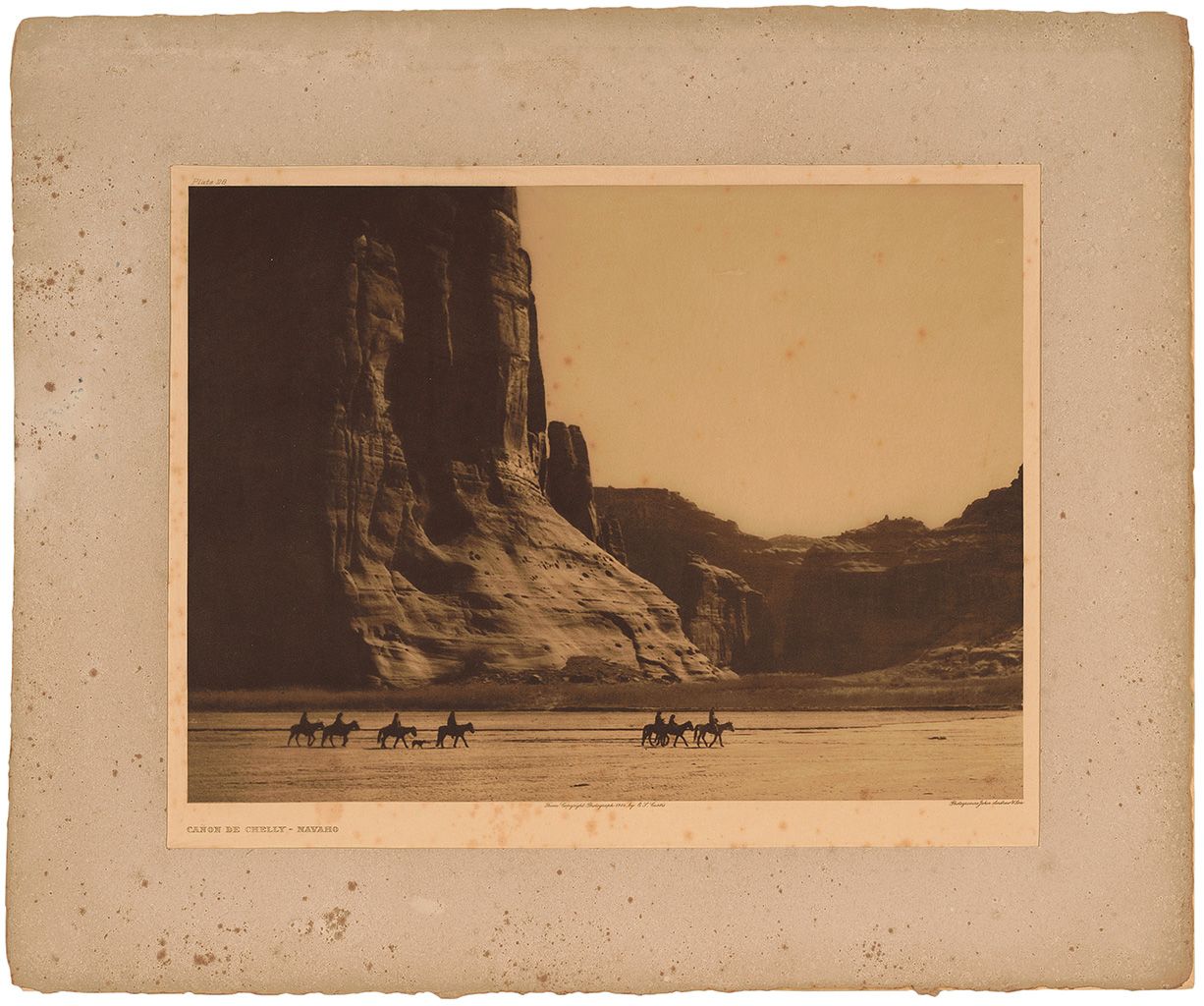
Before Restoration
Severe foxing and yellowing have left this Curtis Plate 28 Canon de Chelly – Navaho photogravure on tissue in a fragile state.
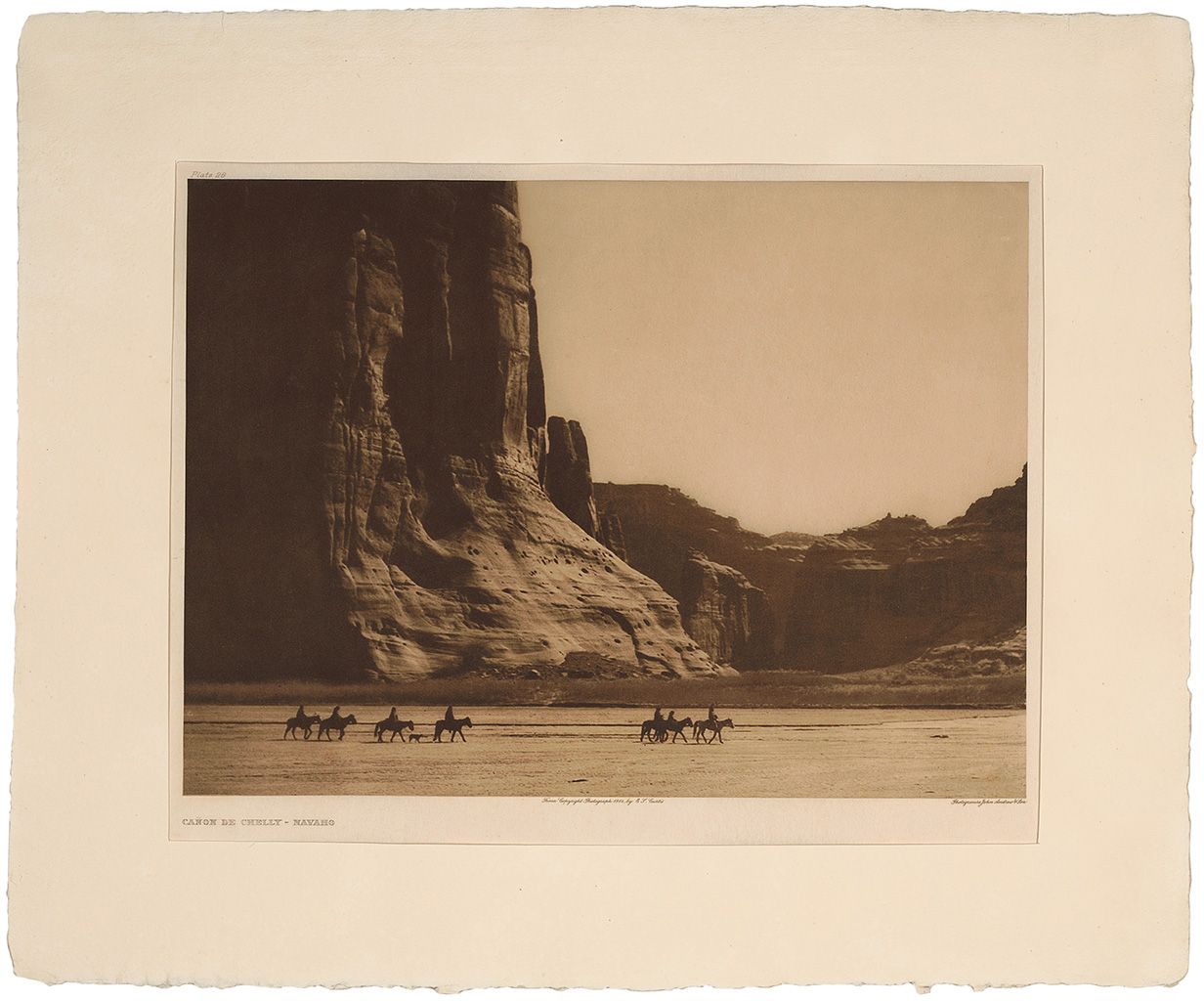
After Restoration
The original facemat, mount, and print were disassembled, each part individually cleaned with aqueous methods, deacidified, thymolized, and re-assembled.
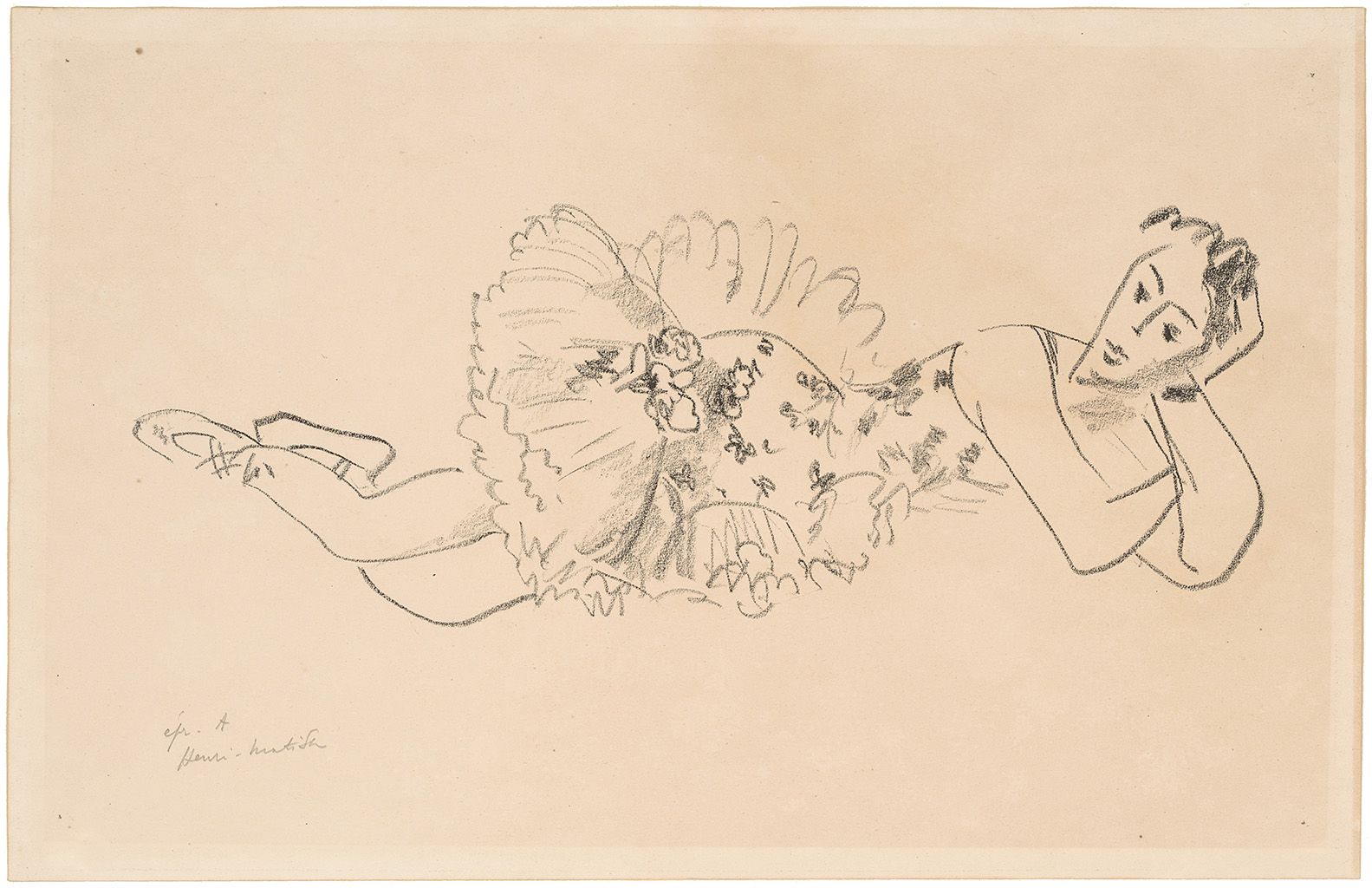
Before Restoration
The reverse mat burn on this Matisse lithograph is typical of framed artworks of this age.
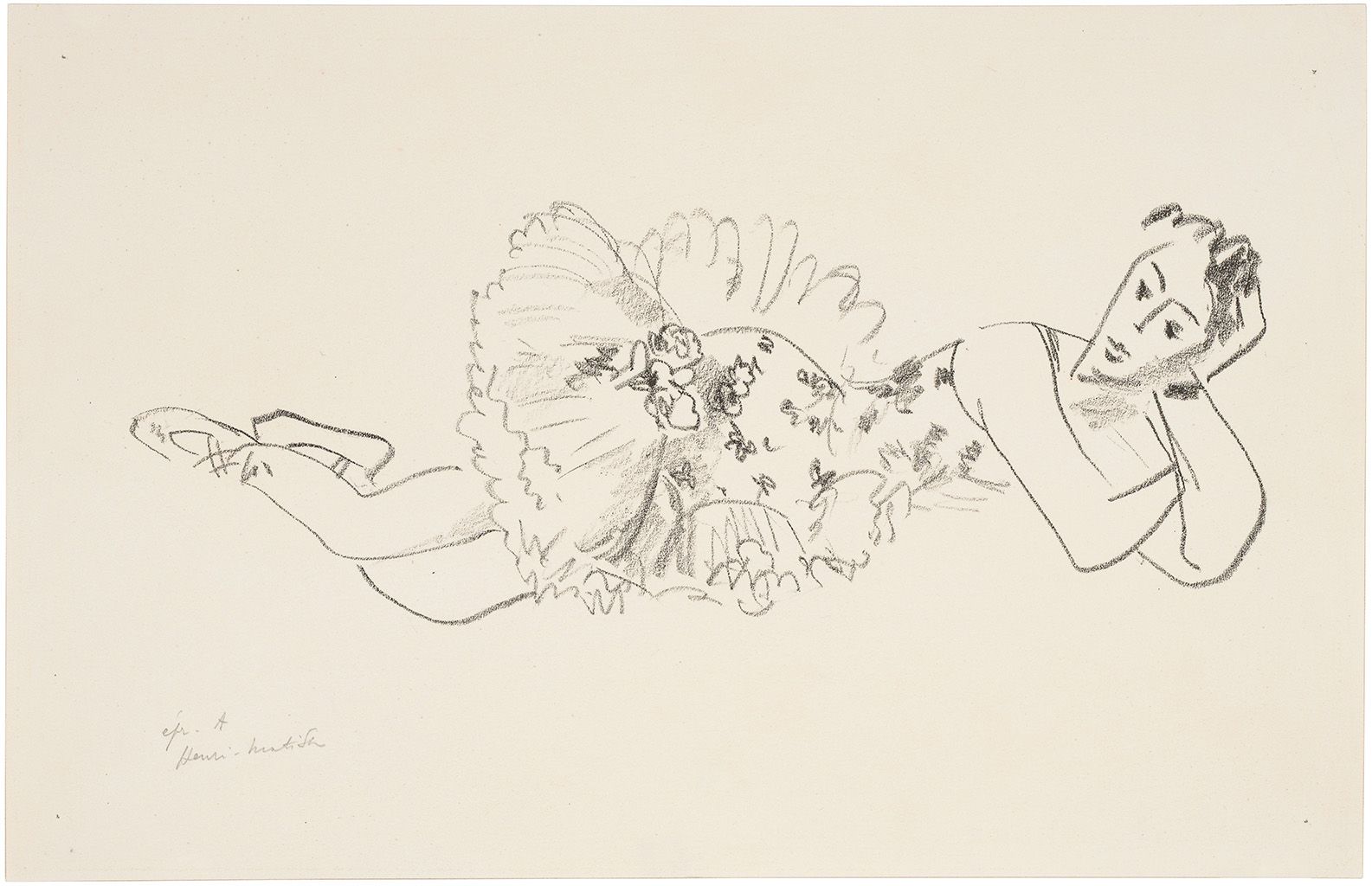
After Restoration
The print was cleaned using aqueous methods and flattened to reduce the cockling. It was then deacidified to chemically stabilize the sheet.